







| Test Your Human Resources Knowledge | ||
|
| Labor Law Journal Submissions | ||
|
| Labor Arbitrators' Awards and Biographies | ||

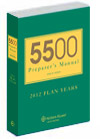
5500 Preparer's Manual for 2012 Plan Years
The premier resource in the field of Form 5500 preparation, 5500 Preparer's Manual will help you handle the required annual Form 5500 filings for both pension benefits and welfare benefit plans.
The House on April 15, 2008, passed H.R. 5719, The Taxpayer Assistance and Simplification Bill of 2008, this year’s version of taxpayer rights legislation. Among the items included in the legislation are provisions affecting IRAs and health savings accounts (HSAs).
The bill would allow an individual to contribute back to an IRA amounts that were levied and returned by the IRS (and interest, if applicable) within 60 days without violating the usual dollar limits on IRA contributions.
The bill would provide that distributions from an HSA for qualified medical expenses would be excluded from gross income only to the extent substantiated. In addition, the bill would require trustees to report expenses not substantiated.
The two most controversial provisions in the legislation are a repeal of private tax collection contracts and the HSA substantiation requirement. The presence of these two provisions has made its future in the Senate cloudy and has resulted in a White House veto threat.
 ©2005-2024 CCH Incorporated or its affiliates
